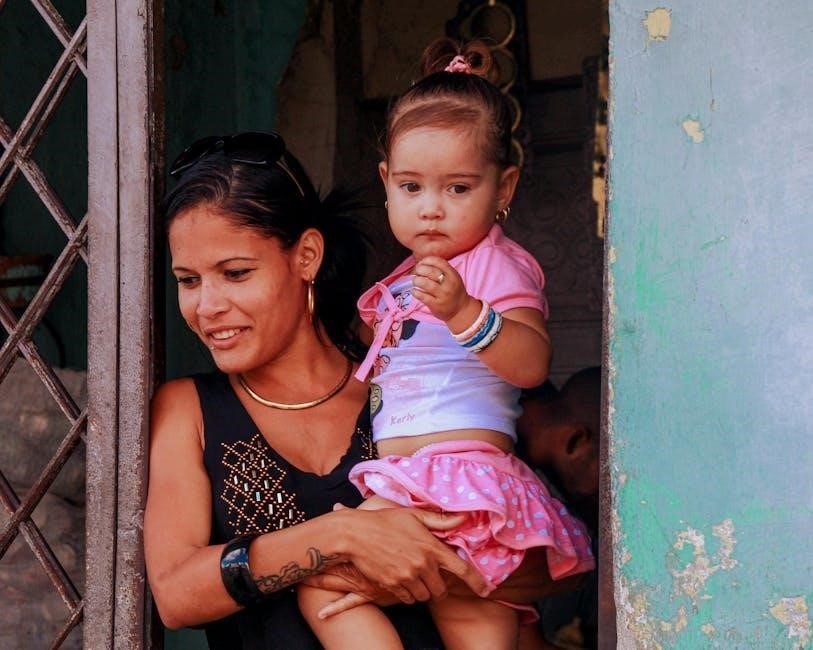
Parents-guide․net, launched recently, is a global map for active parents, offering a platform to share experiences and resources worldwide․
This guide aims to empower parents, providing support and information for navigating the joys and challenges of raising children, from infancy through adolescence․
What is a “Mama Parents Guide” and Who is it For?
A “Mama Parents Guide” serves as a comprehensive resource, meticulously curated to support parents throughout their incredible journey of raising children․ It’s more than just information; it’s a supportive companion, offering guidance on everything from pregnancy and newborn care to navigating the complex stages of child development․
This guide is specifically designed for all parents – mothers, fathers, and caregivers – seeking reliable, evidence-based information․ Whether you’re a first-time parent feeling overwhelmed or an experienced caregiver looking for fresh perspectives, this resource is for you․
Parents-guide․net, as an example, aims to connect parents globally, fostering a community where experiences are shared and support is readily available․ It’s intended to empower parents to make informed decisions, build strong bonds with their children, and confidently navigate the challenges of parenthood․ The guide caters to diverse family structures and parenting styles, promoting a positive and nurturing environment for every child․
The Importance of Early Childhood Development
Early childhood development – spanning from infancy through the preschool years – is a profoundly critical period shaping a child’s future․ These formative years lay the foundation for cognitive, social, emotional, and physical well-being, impacting lifelong learning and success․
A “Mama Parents Guide” emphasizes understanding these developmental milestones, recognizing that nurturing interactions and stimulating environments are paramount․ Research, like that found in the Journal of Child and Family Studies, highlights how parental guidance influences a child’s media consumption and overall development․
Investing in early childhood is not merely about academic preparation; it’s about fostering resilience, empathy, and a love of learning․ Resources like parents-guide․net aim to equip parents with the knowledge and tools to actively participate in their child’s development, creating a strong foundation for a bright future and a thriving society․

Pregnancy and Newborn Care
Mama Parents Guide resources cover preparing for labor, essential newborn supplies, feeding options, and understanding those initial, often perplexing, newborn sleep patterns․
Preparing for Labor and Delivery
Mama Parents Guide emphasizes thorough preparation for labor and delivery as crucial for a positive experience․ This involves attending childbirth education classes to understand the stages of labor, pain management techniques, and potential interventions․ Creating a birth plan, outlining preferences for labor and delivery, is highly recommended, fostering communication with your healthcare provider․
Packing a hospital bag well in advance minimizes stress, including essentials for both mother and baby․ Discussing pain relief options – epidurals, natural methods – with your doctor ensures informed decision-making․ Learning about different delivery methods, such as vaginal birth or Cesarean section, empowers expectant parents․ Finally, establishing a support system with partners, family, or doulas provides emotional and practical assistance during this transformative journey, ensuring a smoother transition into parenthood․
Essential Newborn Supplies Checklist
Mama Parents Guide highlights a comprehensive checklist for newborn essentials, easing the transition for new parents; This includes several sets of onesies, sleepers, and socks, prioritizing soft, breathable fabrics․ A safe and comfortable sleep space – a bassinet or crib with a firm mattress and fitted sheets – is paramount․
Feeding supplies, whether for breastfeeding (nursing bras, nipple cream) or formula feeding (bottles, formula), are vital․ Diapers (newborn size), wipes, and diaper rash cream are non-negotiable․ Other necessities include a baby bathtub, soft washcloths, baby shampoo, and lotion․ Don’t forget a car seat, properly installed, for safe travel․ A first-aid kit, thermometer, and nasal aspirator complete the essential list, ensuring preparedness for common newborn needs․
Newborn Feeding Guide: Breastfeeding vs․ Formula
Mama Parents Guide offers a balanced overview of newborn feeding options: breastfeeding and formula․ Breastfeeding provides immunological benefits and promotes bonding, requiring no preparation but demanding maternal commitment․ Successful breastfeeding involves proper latch techniques and frequent feedings, guided by the baby’s cues․
Formula feeding offers flexibility and allows other caregivers to participate․ It requires careful preparation and sterilization of bottles․ Both methods adequately nourish a baby, and the choice depends on individual circumstances and preferences․ Consulting a lactation consultant or pediatrician is crucial for personalized guidance․ Regardless of the chosen method, responsive feeding – recognizing and responding to hunger cues – is essential for healthy growth and development․
Understanding Newborn Sleep Patterns
Mama Parents Guide emphasizes that newborn sleep is vastly different from adult sleep․ Expect frequent awakenings – newborns typically sleep in short bursts of 2-4 hours, needing around 16-17 hours of sleep in a 24-hour period․ These patterns are driven by biological needs, not a day/night cycle, initially․
Establishing a calming bedtime routine, like a warm bath and gentle rocking, can signal sleep time․ Creating a dark, quiet sleep environment is also beneficial․ Safe sleep practices are paramount: always place babies on their backs to sleep, on a firm, flat surface, without loose bedding․ Understanding these patterns and prioritizing safe sleep will help parents navigate the early, sleep-deprived months․

Child Development Stages
Mama Parents Guide highlights crucial stages: infancy, toddlerhood, preschool, and school-age, each marked by unique milestones in physical, cognitive, and social-emotional growth․
Infancy (0-12 Months): Milestones and Care
The Mama Parents Guide emphasizes that the first year is a period of rapid development․ Key milestones include rolling over, sitting, crawling, and eventually walking․ Nutritionally, infants transition from exclusive milk feeding – whether breast milk or formula – to introducing solid foods around six months, guided by readiness cues․
Care during infancy centers around responsive parenting, providing a secure attachment through consistent comfort and interaction․ Sleep patterns are evolving, requiring parents to establish routines․ Regular check-ups with a pediatrician are vital for monitoring growth and addressing any concerns․ Stimulation through play, reading, and gentle exercise supports cognitive and physical development․ Understanding and responding to a baby’s cues is paramount for fostering a healthy and happy infant․
Toddlerhood (1-3 Years): Encouraging Independence
The Mama Parents Guide highlights toddlerhood as a crucial phase for fostering independence․ This age group exhibits a growing desire to do things “myself,” requiring patience and encouragement from caregivers․ Providing safe opportunities for exploration and self-directed play is essential․
Discipline should focus on gentle guidance and setting clear boundaries, rather than punishment․ Language skills are rapidly expanding, so engaging in frequent conversations and reading aloud is beneficial․ Nutritionally, toddlers need a balanced diet to support their active lifestyles․ Managing tantrums requires understanding their emotional development and offering calming strategies․ Celebrating small victories builds confidence and reinforces positive behaviors, nurturing a sense of autonomy․
Preschool Years (3-5 Years): Social and Emotional Growth
The Mama Parents Guide emphasizes that the preschool years are pivotal for social and emotional development․ Children begin to navigate complex interactions with peers, learning to share, cooperate, and resolve conflicts․ Encouraging imaginative play and providing opportunities for social interaction are vital․
Emotional literacy is key; helping children identify and express their feelings constructively builds resilience․ Positive parenting techniques, like active listening and validation, foster a secure attachment․ Exposure to diverse experiences broadens their perspectives․ Consistent routines and clear expectations provide a sense of security․ Addressing challenging behaviors with empathy and guidance supports emotional regulation, preparing them for school and beyond․
School-Age Children (6-12 Years): Academic and Social Development
The Mama Parents Guide highlights that the school-age years mark significant academic and social leaps; Children develop more complex cognitive skills, requiring support for learning and problem-solving․ Fostering a love of reading and providing a conducive study environment are crucial․ Socially, peer relationships become increasingly important, influencing self-esteem and identity․
Parents should encourage participation in extracurricular activities to explore interests and build teamwork skills․ Open communication about school experiences and challenges is vital․ Promoting digital citizenship and online safety is paramount․ Supporting their developing independence while maintaining appropriate boundaries fosters responsibility․ Nurturing their unique talents and celebrating their achievements builds confidence and resilience․

Child Safety and Health
The Mama Parents Guide emphasizes creating a secure home environment, proper car seat installation, recognizing childhood illnesses, and mastering basic first aid skills․
Home Safety Checklist: Protecting Your Little One
The Mama Parents Guide prioritizes a comprehensive home safety assessment to shield children from potential hazards․ Begin by securing furniture to walls, preventing tip-overs, and covering electrical outlets with safety caps․ Install smoke detectors and carbon monoxide detectors on every level, testing them monthly․
Store cleaning supplies and medications locked away, out of reach․ Utilize safety gates at the top and bottom of stairs, and ensure windows have secure locks or guards․ Pad sharp corners of furniture and cover hot surfaces during use․ Regularly inspect toys for small parts that could pose a choking hazard․
Keep a well-stocked first-aid kit readily accessible, and familiarize yourself with emergency contact numbers․ Finally, establish a clear fire escape plan and practice it with the entire family, ensuring everyone knows the designated meeting point outside the home․

Car Seat Safety: Choosing and Installing Correctly
The Mama Parents Guide emphasizes that selecting the appropriate car seat and installing it correctly are paramount for child passenger safety․ Always choose a car seat certified for your child’s weight and height, adhering to current safety standards․ Rear-facing seats are safest for infants and toddlers as long as possible․
Professional installation is highly recommended; utilize certified Child Passenger Safety Technicians (CPSTs) to ensure proper installation․ Never place a rear-facing car seat in front of an active airbag․ Securely fasten the car seat using either the LATCH system or the vehicle’s seat belt․
Regularly check the car seat’s tightness and ensure the harness straps are snug, with no slack․ Replace the car seat after any collision, even if there’s no visible damage․ Stay informed about recalls and updates from the manufacturer and the National Highway Traffic Safety Administration (NHTSA)․
Common Childhood Illnesses and When to See a Doctor
The Mama Parents Guide acknowledges that childhood is often accompanied by common illnesses․ These frequently include colds, flu, ear infections, and stomach bugs․ Mild symptoms like a low-grade fever, runny nose, or cough can often be managed at home with rest and fluids․
However, certain signs warrant immediate medical attention․ These include high fever (over 100․4°F in infants), difficulty breathing, persistent vomiting or diarrhea leading to dehydration, lethargy, or a stiff neck․ Seek prompt care if your child exhibits signs of severe illness or if you are concerned about their condition․
Trust your parental instincts and don’t hesitate to contact your pediatrician with any questions or concerns․ Early intervention can prevent complications and ensure your child receives the appropriate care․
First Aid Basics for Parents
The Mama Parents Guide emphasizes the importance of first aid knowledge for every parent․ A well-stocked first-aid kit is essential, including bandages, antiseptic wipes, a thermometer, pain relievers, and emergency contact information․ Knowing how to handle minor injuries like cuts, scrapes, and burns is crucial․
For cuts, clean the wound thoroughly and apply a bandage․ Burns should be cooled with cool water for 10-20 minutes․ Learn the Heimlich maneuver for choking and CPR for emergencies․ Familiarize yourself with recognizing signs of allergic reactions and how to administer epinephrine if prescribed․
Consider taking a certified first aid and CPR course to gain confidence and skills․ Preparedness can make a significant difference in an emergency situation, ensuring your child’s safety and well-being․

Nutrition and Healthy Eating
The Mama Parents Guide stresses guiding your child’s food journey with confidence, offering tools and support for establishing healthy eating habits from the start․
Introducing Solid Foods: A Guide for Parents

The Mama Parents Guide emphasizes feeling confident when beginning your child’s exploration of solid foods, a significant milestone in their development․ Typically, this transition begins around six months of age, but always consult with your pediatrician for personalized guidance․ Start with single-ingredient purees – think sweet potato, avocado, or banana – to easily identify any potential allergies or sensitivities․
Introduce new foods one at a time, waiting three to five days between each new item․ Observe your baby closely for any reactions like rash, diarrhea, or vomiting․ Gradually increase texture as your baby gets older, moving from smooth purees to mashed foods and eventually small, soft pieces․ Remember, this is a journey of discovery, so be patient and allow your little one to explore different flavors and textures at their own pace․ Avoid adding salt, sugar, or honey to your baby’s food․
Healthy Snack Ideas for Kids
The Mama Parents Guide highlights the importance of nutritious snacks to fuel growing bodies and minds․ Ditch the processed options and embrace whole foods! Consider apple slices with peanut butter (ensure no allergies), a small handful of berries, or whole-grain crackers with cheese․ Yogurt (plain, unsweetened) is another excellent choice, potentially topped with a sprinkle of granola or fruit․
Vegetable sticks – carrots, cucumbers, bell peppers – paired with hummus provide a crunchy and satisfying snack․ Hard-boiled eggs are packed with protein and easy to prepare․ Portion control is key; offer small servings to avoid overeating․ Involve your children in snack preparation to encourage healthy eating habits and make it fun! Remember to always supervise young children while they are eating to prevent choking hazards․

Dealing with Picky Eaters
The Mama Parents Guide acknowledges that picky eating is a common phase․ Avoid power struggles; pressuring a child to eat can backfire․ Instead, offer a variety of healthy foods, even if they initially refuse them․ Repeated exposure is key – it can take multiple attempts before a child accepts a new food․
Make mealtimes pleasant and stress-free․ Involve your child in meal planning and preparation․ Present food in fun and appealing ways․ Don’t cater to every whim, but offer at least one familiar item alongside new foods․ Be a role model by eating a variety of healthy foods yourself․ Remember, it’s about the overall dietary pattern, not individual meals․ Patience and consistency are crucial!
The Importance of Hydration
The Mama Parents Guide emphasizes that adequate hydration is vital for a child’s health and development; Water regulates body temperature, aids digestion, and supports overall bodily functions․ Encourage water intake throughout the day, not just during mealtimes․ Offer water between meals and during physical activity․
Be mindful of sugary drinks like juice and soda, which can contribute to health problems․ While juice can be offered in limited quantities, water should be the primary beverage․ Recognize signs of dehydration, such as decreased urination, dark yellow urine, and dry mouth․ Make hydration fun by using colorful cups or adding fruit slices to water․ Prioritizing hydration supports your child’s well-being!

Positive Parenting Techniques
The Mama Parents Guide advocates for effective communication, discipline strategies, and building strong bonds with children, fostering a nurturing environment․
Effective Communication with Children
The Mama Parents Guide emphasizes that open and honest communication forms the bedrock of a healthy parent-child relationship․ Active listening is paramount; truly hearing your child’s perspective, without interruption or judgment, validates their feelings and encourages them to share openly․
Employing “I” statements – expressing your feelings and needs without blaming – fosters understanding and avoids defensiveness․ For example, instead of saying “You always make a mess!”, try “I feel frustrated when toys are left scattered․”
Age-appropriate language is crucial․ Tailor your vocabulary and explanations to your child’s developmental level․ Regularly engaging in conversations, asking open-ended questions, and creating a safe space for dialogue builds trust and strengthens the emotional connection․ Remember, communication is a two-way street, requiring patience and empathy from both sides․
Discipline Strategies That Work
The Mama Parents Guide advocates for positive discipline techniques, focusing on teaching rather than punishment․ Consistency is key; establishing clear expectations and boundaries provides children with a sense of security and predictability․ Redirection, particularly effective with younger children, involves gently guiding them towards more appropriate behaviors․
Time-outs, used sparingly and calmly, offer a chance for both child and parent to regulate emotions; Logical consequences – directly related to the misbehavior – help children understand the impact of their actions․ Avoid shaming or belittling; instead, focus on the behavior, not the child’s character․
Positive reinforcement, praising desired behaviors, is far more effective than solely focusing on the negative․ Remember, discipline is about guiding your child towards responsible decision-making and self-control․
Building a Strong Parent-Child Bond
The Mama Parents Guide emphasizes that a secure parent-child bond is foundational for healthy development․ Prioritize dedicated, quality time – even short bursts of focused attention can make a significant difference․ Engage in activities your child enjoys, showing genuine interest in their world․
Active listening is crucial; truly hear what your child is saying, both verbally and nonverbally․ Offer unconditional love and acceptance, creating a safe space for them to express their feelings without fear of judgment․ Physical affection, like hugs and cuddles, reinforces your connection․
Shared experiences, like reading together or exploring nature, create lasting memories and strengthen your bond․ Remember, a strong parent-child relationship fosters trust, resilience, and emotional well-being․
Managing Tantrums and Challenging Behaviors
The Mama Parents Guide acknowledges that tantrums and challenging behaviors are a normal part of child development․ Remaining calm is paramount; your reaction significantly influences the situation․ Avoid escalating the conflict by yelling or engaging in power struggles․
Focus on understanding the underlying cause of the behavior – is your child tired, hungry, frustrated, or seeking attention? Offer empathy and validation of their feelings, even if you don’t agree with their actions․ Redirecting their attention to a different activity can often diffuse the situation․
Consistent boundaries and clear expectations are essential․ Positive reinforcement for good behavior is more effective than punishment․ Remember to prioritize connection and understanding over control․

Resources for Parents
Parents-guide․net connects families globally, while online communities and parenting classes offer vital support․ Books and government resources further empower parents․
Online Parenting Communities and Support Groups
Navigating parenthood often feels easier with a supportive network․ Fortunately, numerous online communities cater specifically to parents seeking connection and advice․ Platforms like Facebook host countless groups dedicated to various parenting styles, ages, and challenges, fostering a sense of belonging and shared experience․
Parents-guide․net itself aims to become a central hub for global parental connection, facilitating the exchange of insights and encouragement․ Beyond Facebook, dedicated parenting forums and websites offer detailed discussions and expert advice․ These spaces allow parents to ask questions, share triumphs, and receive validation during difficult times․
Support groups, both online and in-person, provide a safe environment to discuss sensitive topics and learn from others facing similar situations․ These communities can be invaluable for addressing specific concerns, such as postpartum depression, sleep training, or behavioral issues․ Remember to verify the credentials of any advice received and prioritize your family’s unique needs․
Recommended Books and Websites for Parents
Expanding your parenting knowledge is a continuous journey․ Numerous resources offer evidence-based information and practical guidance․ Websites like BabyCenter and What to Expect provide comprehensive articles, tools, and community forums covering pregnancy, baby development, and parenting challenges․
For deeper dives into specific topics, consider books by renowned parenting experts․ Titles focusing on positive discipline, child psychology, and attachment parenting can offer valuable insights․ The Journal of Child and Family Studies offers research-backed articles, though may require academic access․
Parents-guide․net intends to curate a list of trusted resources, simplifying the search for reliable information․ Remember to critically evaluate sources and choose materials aligned with your parenting philosophy․ Prioritize websites and books authored by qualified professionals, ensuring the advice is current and evidence-based․
Local Parenting Classes and Workshops
Connecting with other parents and gaining practical skills are invaluable benefits of local parenting classes and workshops․ These offerings provide a supportive environment to learn from experts and share experiences with peers facing similar challenges․
Check with your local hospital, community center, or YMCA for schedules and registration information․ Classes often cover topics like newborn care, infant CPR, positive discipline techniques, and toddler development․ Parents-guide․net aims to eventually feature a directory of local resources, making it easier to find options near you․
Workshops can offer focused learning experiences on specific issues, such as sleep training, potty training, or managing challenging behaviors․ Investing in these opportunities can boost your confidence and equip you with effective strategies for nurturing your child’s growth․
Government Resources for Families
Numerous government agencies offer valuable support and resources for families, providing assistance with everything from healthcare and nutrition to childcare and financial aid․ These programs are designed to ensure the well-being of children and empower parents to create stable, nurturing environments․
Explore websites like the U․S․ Department of Health & Human Services (HHS) and the Administration for Children and Families (ACF) to discover available programs․ Parents-guide․net intends to compile a comprehensive list of relevant government links for easy access․
Resources may include the Supplemental Nutrition Assistance Program (SNAP), the Special Supplemental Nutrition Program for Women, Infants, and Children (WIC), and the Child Care and Development Fund․ Don’t hesitate to reach out and utilize these services when needed – they are there to help!
Leave a Reply
You must be logged in to post a comment.